



In the dynamic and ever-evolving landscape of the hospitality industry, a career in food production and catering emerges as an exciting and rewarding option. This multifaceted field encompasses various roles, from culinary experts crafting delectable dishes to event planners orchestrating seamless catering experiences.
Whether you find your passion in crafting exquisite dishes or orchestrating seamless catering events, the industry rewards those with technical skills, creativity, and strong interpersonal abilities. As the field evolves, staying abreast of emerging trends and embracing a commitment to sustainability and inclusivity will be critical to a successful and fulfilling career in this dynamic sector.
So, whether you're a budding chef or an aspiring event planner, the world of food production and catering invites you to explore, innovate, and savor the taste of professional success.
In this comprehensive guide, we will delve into the intricacies of a food production and catering career, exploring the diverse opportunities it offers, the skills required, educational pathways, and the industry trends shaping this vibrant sector.
Hotel Management Course In Canada
Understanding Food Production
Roles in Food Production
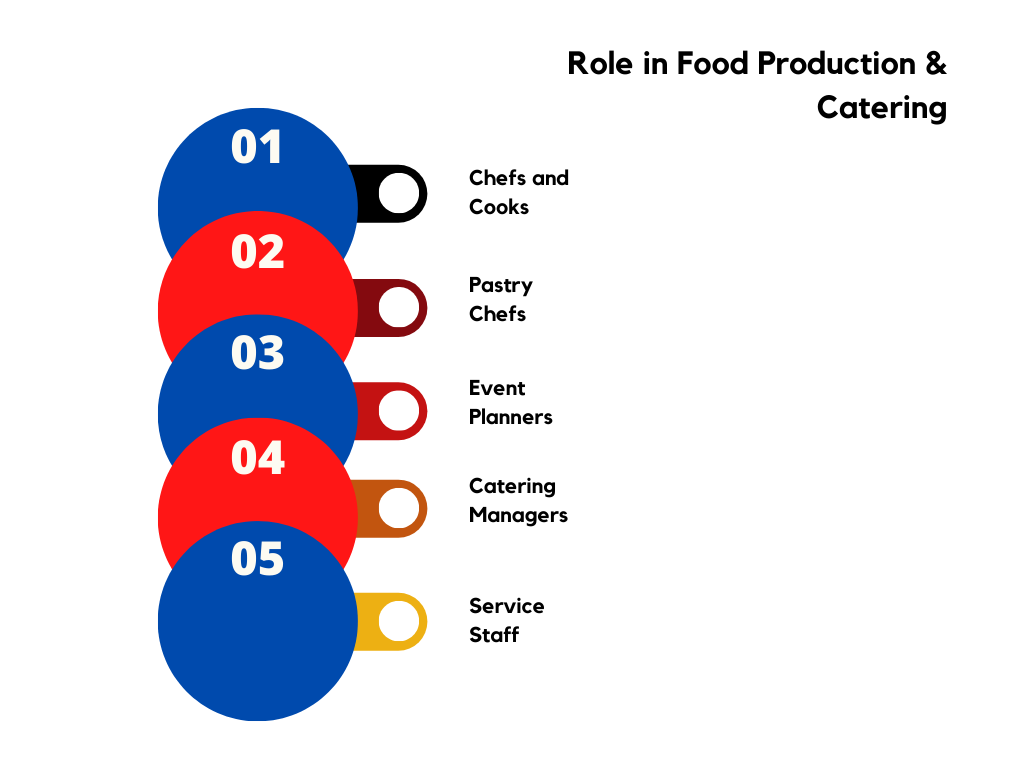
- Chefs and Cooks: The backbone of any kitchen, chefs and cooks are responsible for creating culinary masterpieces, experimenting with flavors, and ensuring the quality of dishes.
- Pastry Chefs: Specializing in desserts and baked goods, pastry chefs bring a sweet touch to the culinary world with their artistic creations.
- Kitchen Managers: Overseeing kitchen operations, kitchen managers coordinate staff, manage inventory, and ensure a smooth workflow.
Skills Needed in Food Production
- Culinary Skills: Proficiency in cooking techniques, flavor combinations, and presentation is crucial for success in food production.
- Time Management: Working in a fast-paced environment requires excellent time management skills to deliver dishes promptly.
- Creativity: Innovation in recipe development and presentation sets exceptional chefs apart in the competitive culinary landscape.
Educational Pathways
- Culinary Schools: Institutions offering culinary programs provide hands-on training, theoretical knowledge, and industry exposure.
- Apprenticeships: Apprenticeships are on-the-job learning programs that allow aspiring chefs to gain practical experience under the guidance of seasoned professionals.
Exploring the World of Catering
Roles in Catering
- Event Planners: Event planners organize and coordinate events and collaborate with clients to create memorable experiences.
- Catering Managers: Overseeing catering operations, managers ensure that events run smoothly, from logistics to staff coordination.
- Service Staff: Waiters, bartenders, and other service staff are vital in delivering a seamless catering experience.
Skills Needed in Catering
- Customer Service: To meet client expectations, catering professionals need excellent interpersonal skills and a customer-centric approach.
- Organization: With multiple elements to coordinate, strong organizational skills are crucial to ensure the success of catering events.
- Flexibility: Adapting to changes on the fly is critical in the dynamic catering world, where unexpected challenges can arise.
Certificate III in Commercial Cookery
Educational Pathways
- Event Management Courses: Specialized courses in event management provide a foundation for planning, organizing, and executing successful events.
- Hospitality Management Degrees: A broader education in hospitality management equips individuals with a well-rounded understanding of the industry.
|
 Talk to an Expert
Skills and Qualities Essential for Success
Culinary and Technical Skills
Mastery of Cooking Techniques: A strong foundation in cooking techniques is the bedrock of a successful career in food production.
Menu Planning and Design: Crafting menus that cater to diverse tastes and dietary preferences is a skill that distinguishes top chefs.
Creativity and Innovation
- Experimental Mindset: A willingness to experiment with new ingredients, flavors, and techniques sets innovative chefs apart.
- Presentation Skills: The visual appeal of a dish is often as important as its taste, making presentation skills a valuable asset.
Communication and Interpersonal Skills
- Collaboration: Effective collaboration among team members is essential for food production and catering success.
- Client Interaction: Catering professionals must be adept at understanding and fulfilling client expectations, requiring strong communication skills.
Culinary Management
Emerging Trends in the Food Production and Catering Industry
Focus on Sustainability
Farm-to-Table Practices: The emphasis on locally sourced, sustainable ingredients is gaining traction in food production and catering.
Zero-Waste Initiatives: Chefs and caterers increasingly adopt practices to minimize food waste, contributing to environmentally conscious efforts.
Technology Integration
- Digital Menu Platforms: Digital menus and ordering platforms are streamlining the customer experience in restaurants and catering services.
- Event Planning Apps: Technology is crucial in simplifying the planning and coordination of events, enhancing efficiency for catering professionals.
Diversity and Inclusivity
- Inclusive Menus: Caterers are adapting their offerings to cater to diverse dietary preferences, including vegetarian, vegan, and gluten-free options.
- Cultural Fusion: Chefs explore and incorporate diverse culinary traditions, leading to innovative and fusion cuisines.
Hotel Management Courses in Canada: Top Universities
Top Hospitality Management University in Canada
Career Progression and Opportunities
Entry-Level Positions
- Commis Chef: An entry-level position where individuals assist chefs in various kitchen tasks, gaining hands-on experience.
- Catering Assistant: Supports catering operations; assistants assist in event setup, service, and cleanup.
Mid-Level Positions
- Sous Chef: The sous chef works closely with the head chef, overseeing kitchen operations and managing staff.
- Catering Supervisor: Supervises catering events, ensuring seamless execution and client satisfaction.
Advanced Positions
- Executive Chef: The head chef responsible for menu development, kitchen management, and overall culinary direction.
- Catering Director: Overseeing the entire catering department, directors manage strategic planning, business development, and client relations.
Navigating Challenges in the Industry
Intense Competition
- Continuous Learning: Staying updated with industry trends, new techniques, and flavors is essential for professionals to stay competitive.
- Networking: Building a solid professional network can open doors to new opportunities and collaborations.
High-Stress Environments
- Stress Management: Developing effective stress management techniques is crucial to thrive in the high-pressure environments of kitchens and event settings.
- Team Support: Creating a supportive team environment where colleagues can rely on each other can alleviate stress and improve overall performance.


