



Broaching complex topics with parents can be daunting. Whether it's discussing financial matters, relationship issues, or health concerns, these conversations are often accompanied by anxiety and fear of conflict. However, mastering the art of addressing complex topics with your parents is crucial for maintaining healthy relationships and fostering understanding.
Addressing essential conversations can be challenging—this challenge often underscores their significance. Broaching topics such as disciplinary issues at school, seeking more autonomy, or discussing relationships can be daunting, yet crucial when conversing with your parents. The timing, setting, and manner in which you initiate these discussions can significantly impact their outcome.
While many impactful conversations may seem like a one-sided exchange, there are approaches to handling complex subjects that can profoundly influence the direction of the conversation and the quality of your relationships. Consider the communication strategies here and strive to foster two-way dialogue when tackling sensitive topics.
This article will explore the significance of communicating openly with parents, strategies for initiating these conversations, and tips for navigating them effectively.
How To Handle Stress In Student Life
Why Broaching Difficult Topics Is Important
Strengthening Relationships:
Effective communication builds stronger bonds between parents and children. Addressing complex topics openly and honestly demonstrates trust and respect, fostering a deeper connection.
Resolving Misunderstandings:
Avoiding difficult conversations can lead to misunderstandings and resentment. By addressing concerns directly, you can clarify misconceptions and resolve conflicts, preventing them from escalating in the future.
Need more advice on studying abroad
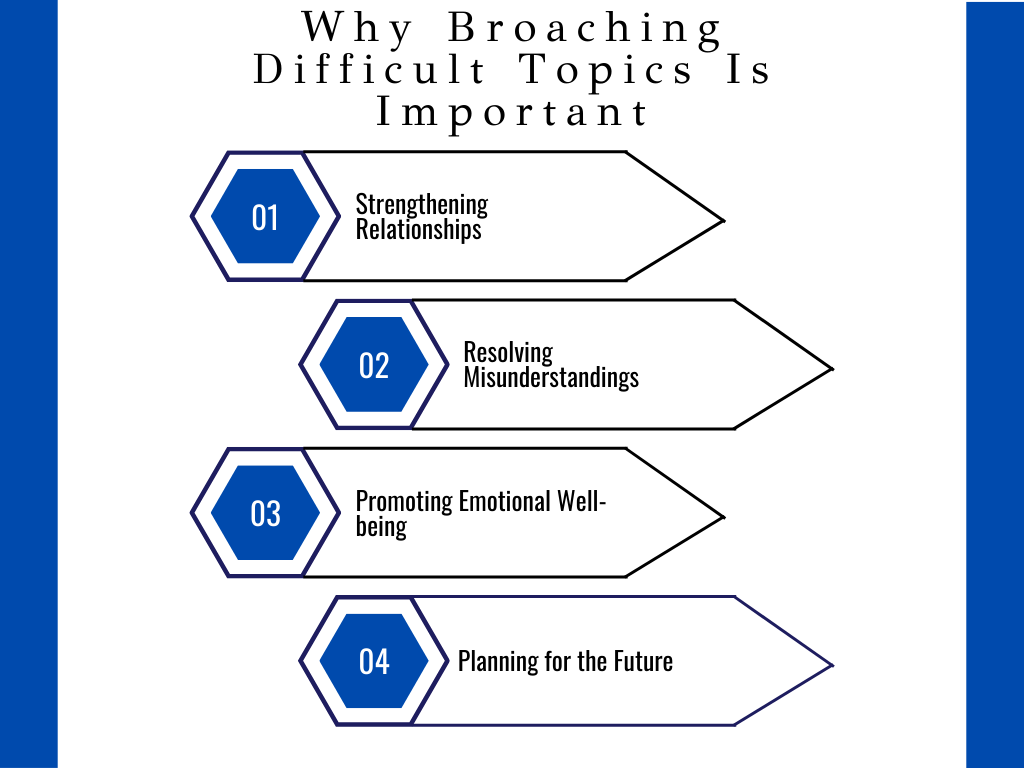
Promoting Emotional Well-being:
Bottling up emotions and avoiding challenging discussions can affect your emotional well-being. Expressing your thoughts and feelings to your parents can provide relief and validation, promoting mental and emotional health.
Planning for the Future:
Difficult conversations often revolve around essential life decisions such as finances, caregiving, and end-of-life care. By addressing these topics proactively, you can make informed decisions and plan for the future together, ensuring peace of mind for both parties.
Stress Management Tips for Students
|
 Talk to an Expert
Strategies for Broaching Difficult Topics
Choose the Right Time and Place:
Select a time and place where you and your parents feel comfortable and relaxed. Avoid initiating difficult conversations during times of stress or when either party is preoccupied with other tasks.
Frame the Conversation Positively:
Start the conversation positively by expressing your love and respect for your parents. Emphasize that you intend to strengthen your relationship and address concerns constructively.
Use "I" Statements:
Communicate your thoughts and feelings using "I" statements to avoid sounding accusatory or confrontational. For example, instead of saying, "You never listen to me," try saying, "I feel unheard when..."
Listen Actively:
Allow your parents to express their thoughts and feelings without interrupting. Practice active listening by maintaining eye contact, nodding, and paraphrasing their words to demonstrate understanding.
Be Patient and Empathetic:
Difficult conversations may evoke strong emotions from both parties. Be patient and empathetic, acknowledging your parents' perspectives even if you disagree. Avoid rushing to find solutions and focus on understanding each other's viewpoints.
How to deal with Teen and Exam Stress
Tips for Navigating Difficult Conversations
Stay Calm:
Remain calm and composed throughout the conversation, even if tensions arise. Take deep breaths and remind yourself to focus on finding a resolution rather than escalating conflicts.
Focus on Solutions:
Instead of dwelling on past grievances or assigning blame, focus on finding practical solutions to address the issue at hand. Brainstorm together and explore different options until you reach a mutually satisfactory agreement.
Set Boundaries:
Establish clear boundaries to ensure that the conversation remains respectful and productive. Agree to take breaks if emotions become overwhelming and commit to revisiting the discussion once both parties have had time to cool off.
Seek Professional Help if Needed:
If you find it challenging to broach tricky topics with your parents or if conflicts persist despite your efforts, consider seeking the assistance of a family therapist or mediator. A neutral third party can facilitate communication and help navigate complex issues effectively.


